
Level Up: Your Ultimate Guide to Time, Study, & Reading Skills
Posted OnJanuary 20, 2026 byTired of the “just try harder” advice? Scroll down for resources on time management, study tips, and reading comprehension to turn your good habits to GREAT.
Part 1: Time Management
Real Talk: Procrastination isn’t always laziness – sometimes it’s overwhelm in disguise.
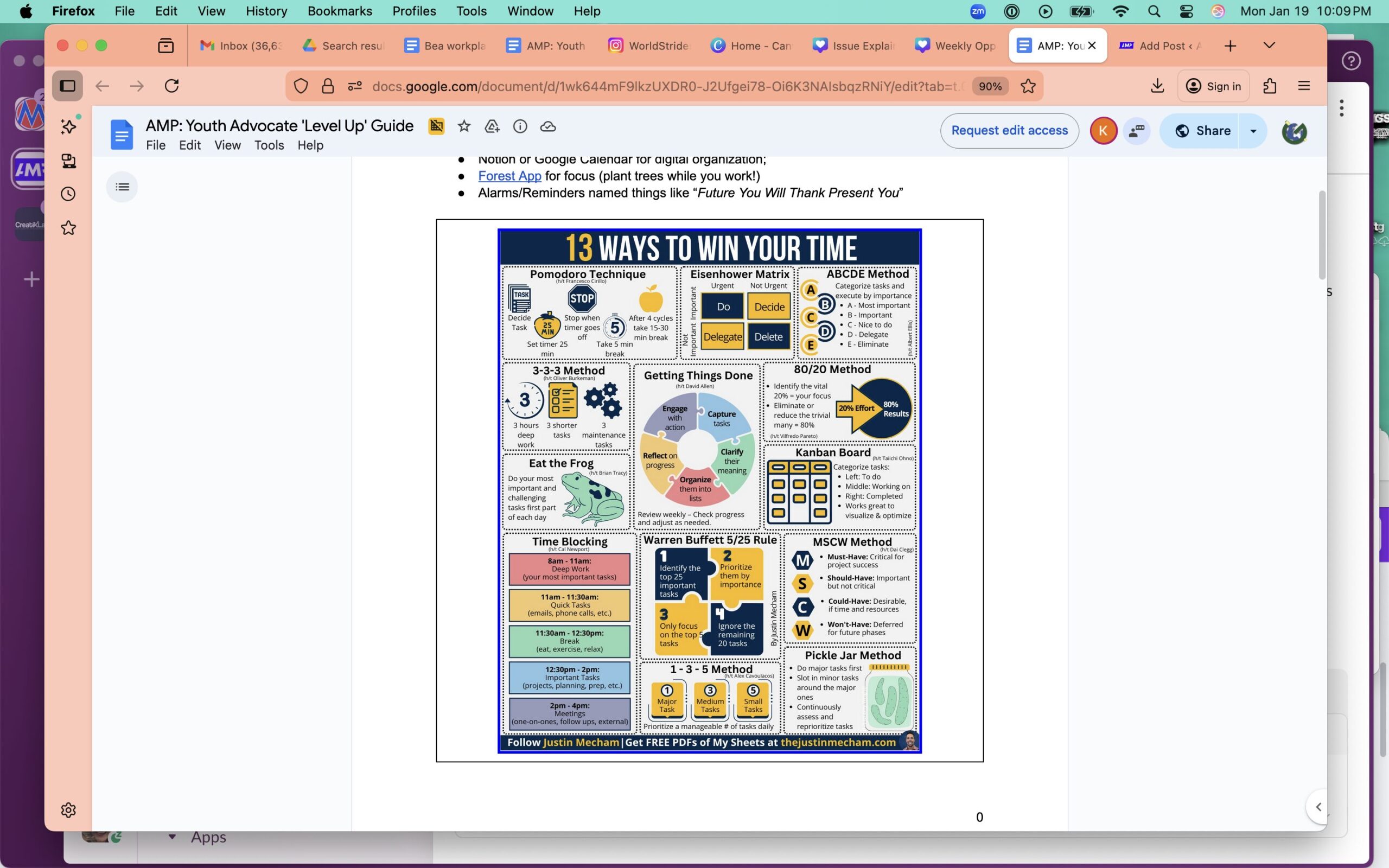
Tools That Slap:
- Notion or Google Calendar for digital organization;
- Forest App for focus (plant trees while you work!)
- Alarms/Reminders named things like “Future You Will Thank Present You”
Part 2: Study Tips
What Works:
- Active recall > rereading
- Teaching someone else = you actually get it
- Breaks = brain boost (Pomodoro method!)
- Visual Learners: Draw mind maps, color-code notes, use diagrams;
- Auditory Learners: Record yourself explaining the topic, talk it out with friends
- Kinesthetic Learners: Walk while studying, act things out, use flashcards with movement
Part 3: Reading Comprehension
Reading isn’t one-size-fits-all. Whether you’re reading for fun, a class assignment, or a test, how you read should change depending on why you’re reading. Yet, reading with purpose is like going to the gym — you get stronger with reps. Let’s break it down:
Levels of Reading:
- Leisure Reading (i.e., Chill Mode): for enjoyment, not analysis.
- How to Read:
- Go with the flow. Read without stopping to take notes or analyze deeply.
- Highlight what hits. If a quote moves you or makes you laugh, mark it.
- Follow your feels. Don’t push through something you hate.
- Techniques & Tips:
- Track your reads. Log the books that you love.
- Switch formats. E-books, audiobooks, physical books — mix it up to stay engaged.
- Annotate casually. Doodle, write reactions, or highlight fav quotes (Sticky notes for the win).
- Buddy Reads. Read the same book with a friend and share reactions.
- How to Read:
- Academic Reading (i.e., Assignment Mode): reading to remember, discuss, or analyze
- How to Read:
- Chunk it up. Break long texts into sections and pause to reflect after each.
- Read with purpose. Ask: “What am I supposed to get from this?” (Main ideas? Themes? Arguments?)
- Use sticky notes or margins. Jot down quick reactions, summaries, or questions that may help you to recall information.
- Techniques & Tips:
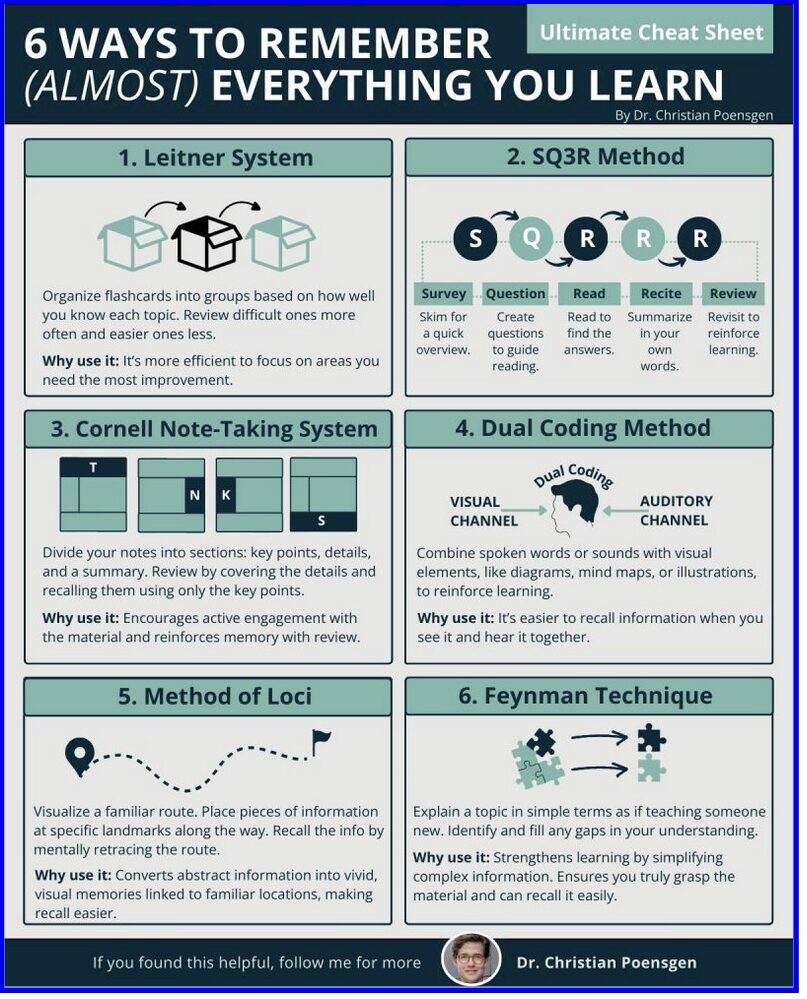
- SQ3R Method:
- Survey: Skim headings, intros, summaries first
- Question: Turn headings into questions (e.g., “What does the author say about identity?”)
- Read: Actively look for answers
- Recite: Summarize in your own words
- Review: Go back and quiz yourself later
- Cornell Notes: Divide your page.
- Left column = questions/keywords;
- Right column = notes;
- Bottom = summary.
- Color-Code Themes. Use different highlighter colors for main ideas, unfamiliar vocab, and key examples.
- SQ3R Method:
- How to Read:
- Test-Taking Reading (i.e., Boss Mode): reading for quick thinking and/or a critical eye
- How to Read:
- Skim + Scan. Read the first sentence of each paragraph, look for keywords in the questions, then go back to the text.
- Find proof. Always go back to the passage to justify your answer — don’t rely on memory or gut.
- Techniques & Tips:
- Read the Questions First. Especially on multiple choice tests like the SAT, knowing what to look for can save time.
- Underline while reading. Mark names, dates, tone shifts, and main ideas on the first pass.
- How to Read:
Categories:Uncategorized