
Announcing: 2026 Global Youth Visionaries!
Posted OnApril 20, 2026 byCelebrating Global Youth Visionaries Leading Change Around the World
We are thrilled to announce our newest Global Youth Visionaries! These inspiring young leaders are showing are not waiting for change; they are creating it through action, leadership, and commitment to others. Each Visionary has taken on real challenges, from strengthening civic engagement to expanding education and building trust where it has been lost. Their work reflects the core of what AMP Global Youth stands for: young people stepping forward to lead with purpose and to shape a better future. Their stories remind us that youth leadership is not something to prepare for later; it is happening right now in powerful and meaningful ways. Join us in celebrating them!
Arwa Haloul: Creating Space for Stories That Matter
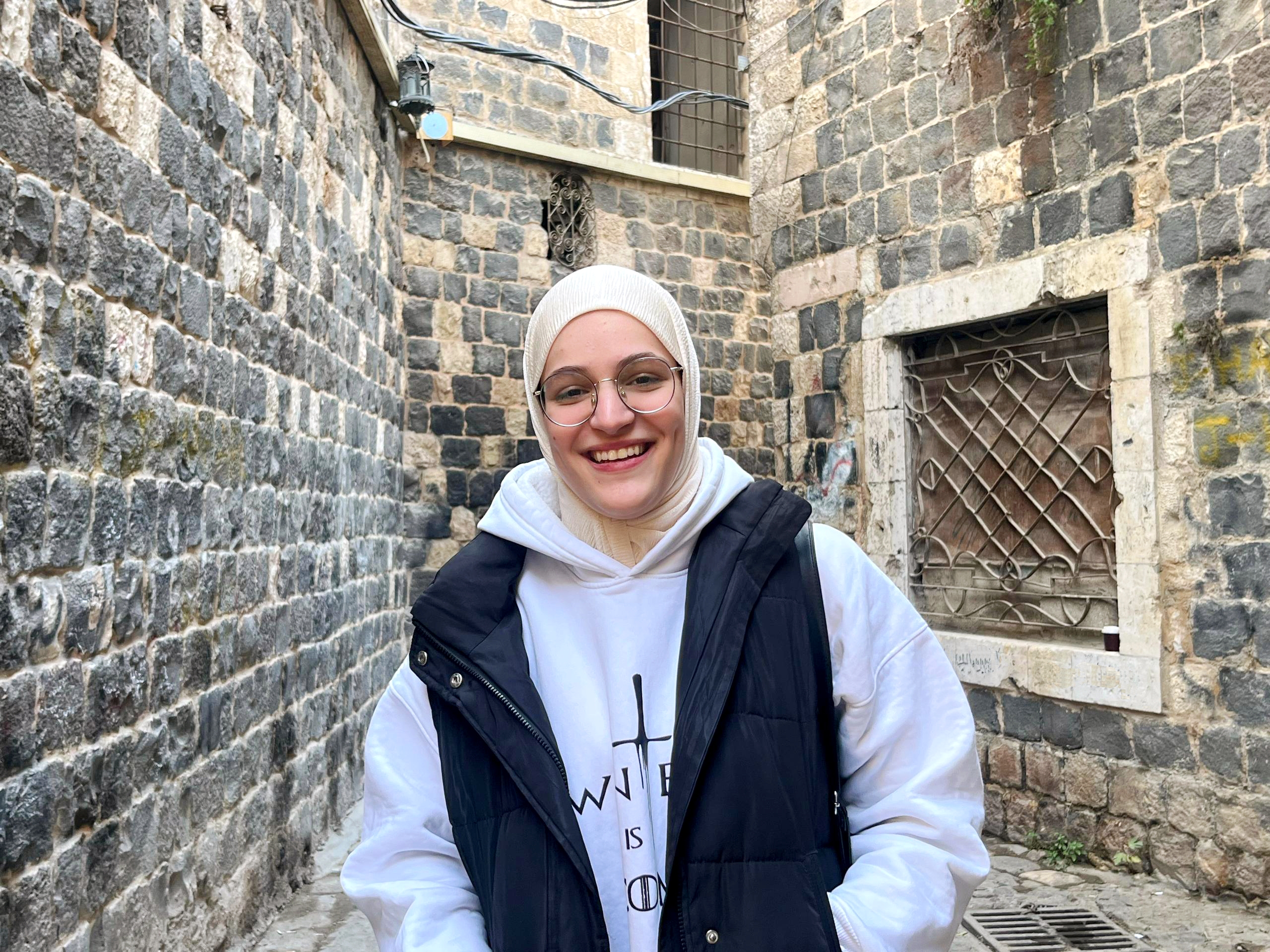 Across many communities around the world, young people are searching for ways to make their voices heard. For Arwa Haloul, this question became deeply personal. As a refugee and youth leader, she saw how often decisions about displaced communities were made without including the people who live those experiences every day.
Arwa began her work with a simple idea. If spaces for young people to share their stories do not exist, then those spaces must be created. She recognized that storytelling is not just a way to communicate experiences. It is also a way to restore dignity and agency to people whose voices are often overlooked.
Through her work, she has focused on creating platforms where refugees and displaced youth can speak for themselves. When individuals are able to tell their own stories, the narrative shifts. People are no longer seen only through statistics or headlines. They are recognized as individuals with ideas, hopes, and leadership potential.
Another important part of Arwa’s approach is building trust. Many people hesitate to share their experiences because they fear they will not be understood or respected. Arwa has worked carefully to build environments where young people feel safe expressing themselves. When that trust is established, something powerful happens. Confidence grows, and people begin to see their experiences as a source of strength.
Listening to Arwa describe this work made one lesson very clear. Youth leadership is not only about advocating for change. It is also about creating space for others to be heard. Her work reminds us that when people are trusted with their own stories, they can reshape how entire communities are understood.
Reflecting on Arwa’s work left a strong impression. She demonstrates that leadership can begin with something as simple and powerful as listening. By helping others find their voice she is helping build a more inclusive and empathetic world.
Matthias Becerra Sanches: Expanding Opportunity Through Education and Representation of Quechua Indigenous and Latino Youth
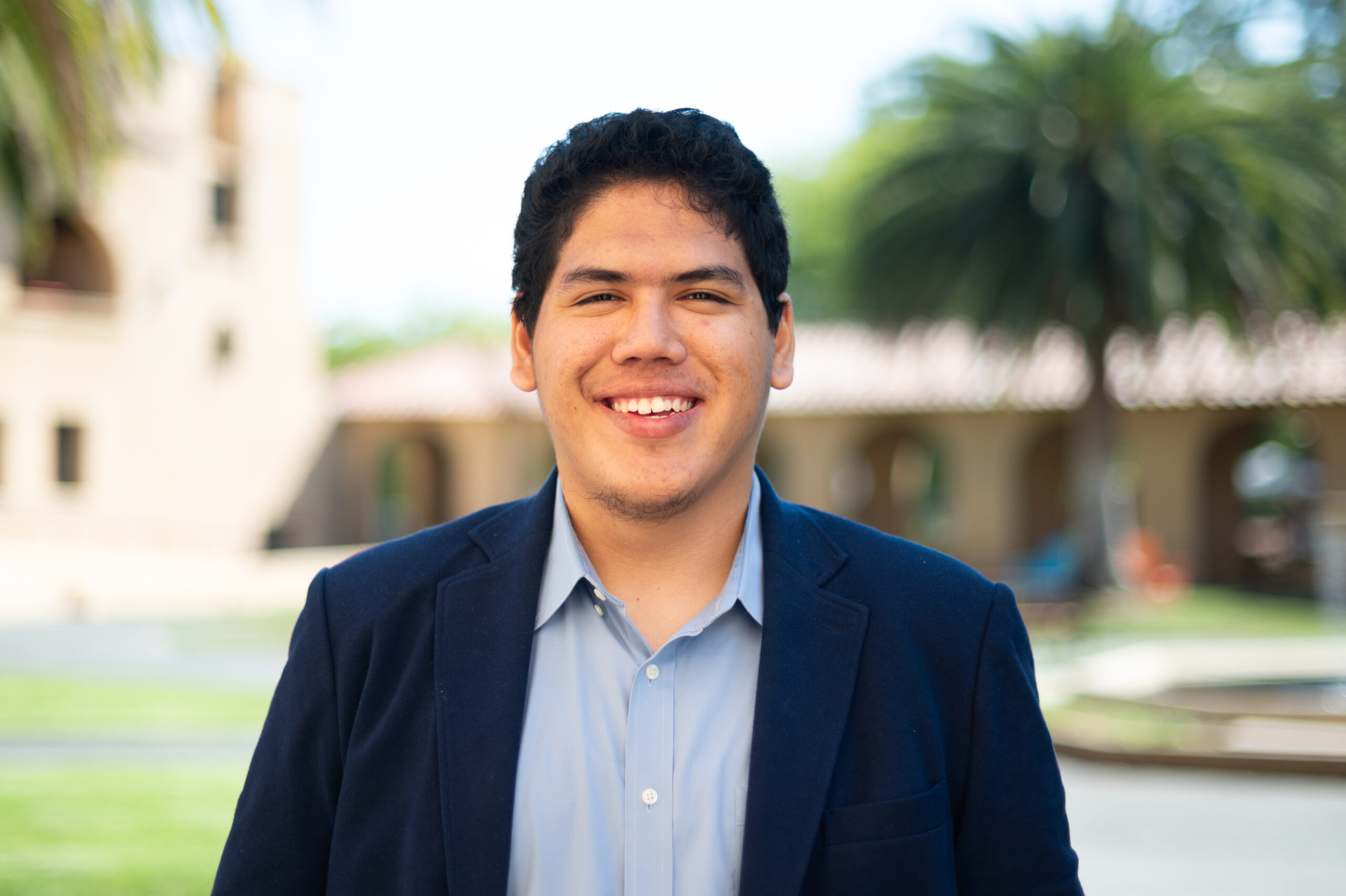 Mathias Becerra Sanchez grew up in a place where young people were rarely asked what they thought—let alone invited into rooms where decisions were made. In rural Peru, access to technology was scarce, government felt distant, and “leadership” often meant surviving quietly. Mathias did the opposite: he learned to ask questions loudly.
As a Quechua Indigenous and Latino youth, Mathias knows what it feels like to live between worlds—to speak languages that systems don’t recognize, to hold ideas that don’t fit neatly into forms, and to carry dreams bigger than the infrastructure around you. Instead of shrinking himself, he started building bridges.
Those bridges look like youth-led STEM and AI workshops taught in Quechua and Spanish. They look like mentoring first-generation students who have never seen someone “like them” in tech, research, or policy spaces. They look like creating rooms—sometimes literal, sometimes virtual—where young people are not just participants, but decision-makers.
Today, as a Human-Centered AI student at Stanford University on a full scholarship, Mathias moves between grassroots communities and elite institutions with the same question in mind: Who is missing from this space, and how do we bring them in with dignity? His work sits at the intersection of technology, ethics, and public participation, pushing for systems that are built with youth rather than imposed on them.
What makes Mathias a Global Youth Visionary isn’t just what he’s accomplished—it’s how he leads. He leads with trust. With listening. With lived experience. He understands that youth participation doesn’t start with microphones or ballots; it starts with belonging. With being seen. With someone saying, “Your voice matters here.”
Mathias inspires other young people not by presenting himself as an exception, but as evidence. Evidence that Indigenous youth belong in conversations about AI. That first-generation students can shape institutions. That leadership can be soft-spoken and culturally rooted, and still deeply transformative.
If the future is being built right now, Mathias is one of the young people quietly—and boldly—making sure no one is left out of it.
Yusuf Muhammed Saidu: Building Trust and Leading Change from Within the Community
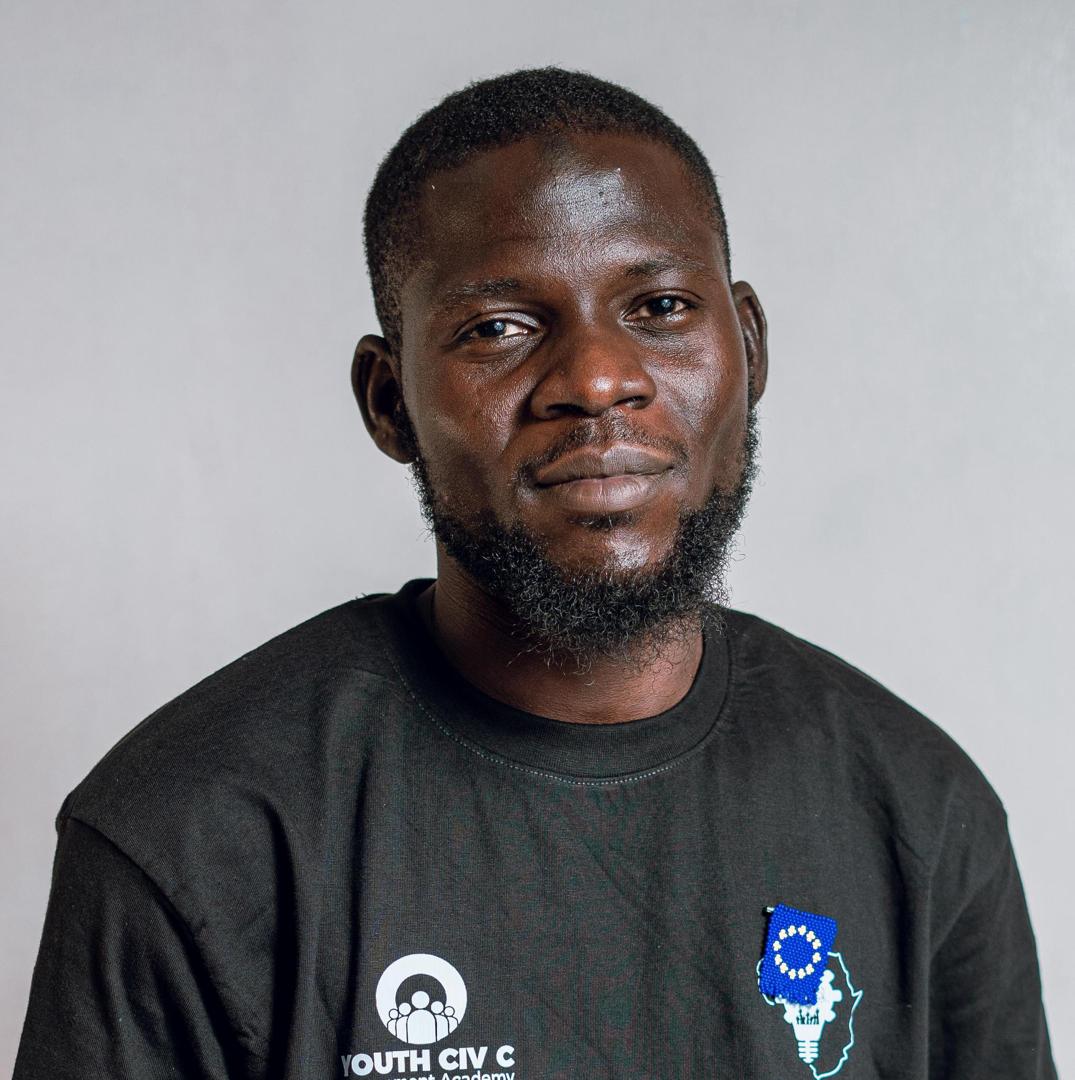 In many parts of the world young people grow up surrounded by challenges that can feel overwhelming. For Yusuf Muhammed Saidu those challenges became the motivation to act. Growing up in a region affected by conflict he saw how instability and insecurity affected everyday life. Rather than turning away from those realities he decided to focus on building peace and strengthening civic engagement in his community.
Yusuf’s work is rooted in the belief that young people have an important role to play in shaping their societies. Early in his journey he noticed that there was often a gap between young people and the institutions that were supposed to represent them. Many youth felt unheard and disconnected from decision-making processes.
To address this gap, Yusuf focused on empowering young people with knowledge and confidence. Through education, dialogue, and community programs, he has helped youth become more engaged in civic life. His approach emphasizes accountability and participation, encouraging young people to see themselves as contributors to their communities rather than observers.
A central theme in Yusuf’s work is trust. He believes that trust must come before transformation. Institutions can only function effectively when communities believe that their voices matter and that their concerns are taken seriously. By working closely with local communities and prioritizing listening, he has helped build relationships that make meaningful change possible.
What makes Yusuf’s leadership particularly powerful is its consistency. His work shows that progress is often the result of small actions repeated over time. Showing up, keeping promises, and remaining committed to community needs can slowly rebuild confidence and cooperation.
Reflecting on Yusuf’s story is inspiring. His work demonstrates that youth leadership is not defined by grand gestures but by steady dedication. Through patience and commitment, he is helping young people recognize their own capacity to shape the future of their communities.